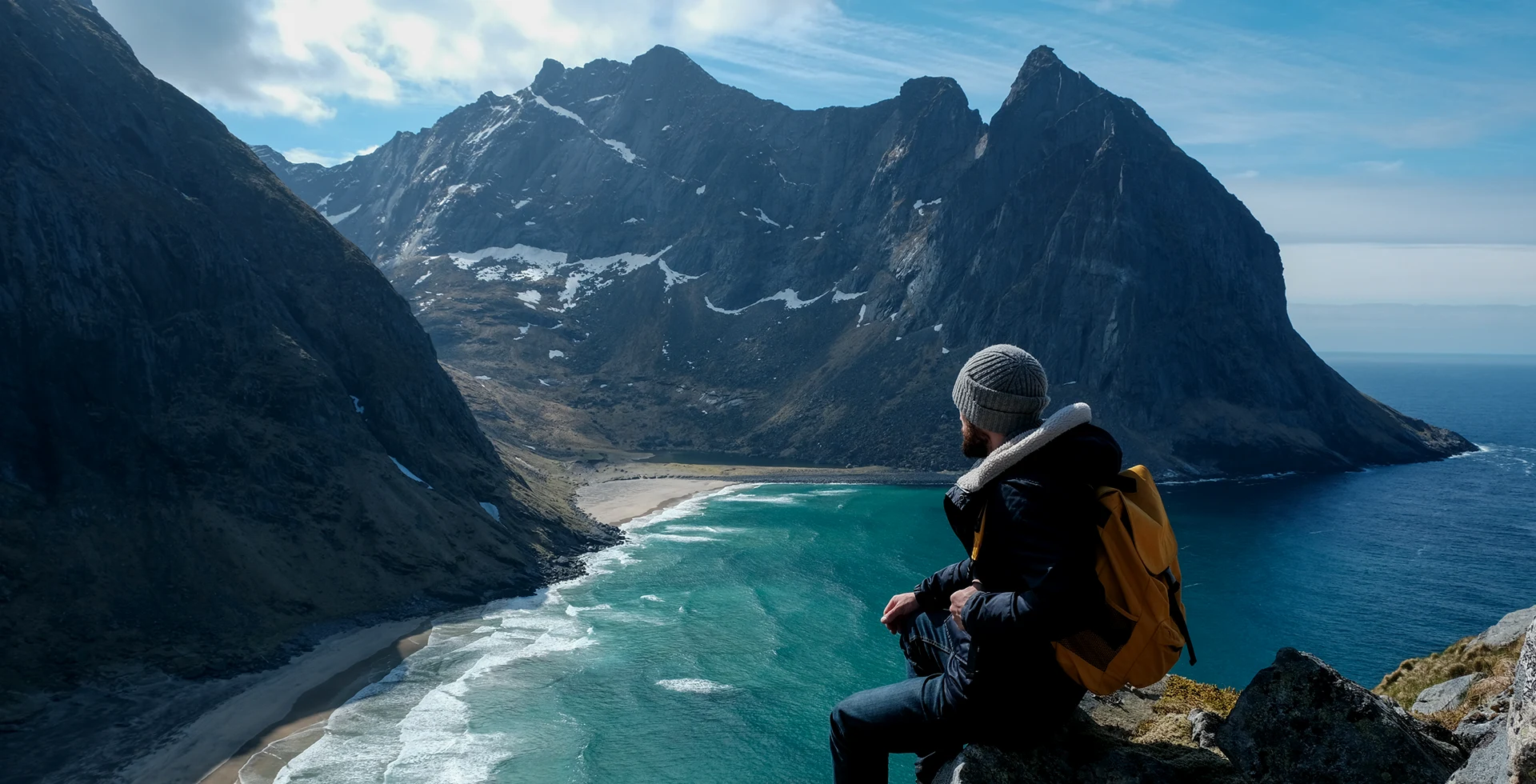
Escaping into nature requires preparation and knowledge, transforming a simple weekend away into a memorable journey through breathtaking landscapes and immersive wilderness experiences for every enthusiast.
Choosing comfort with mobile homes and rental sites
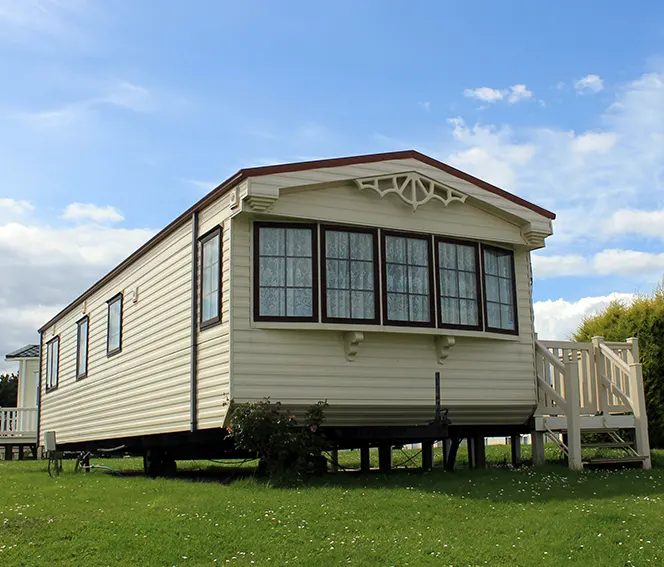
Modern campsites offer a blend of nature and convenience through fully equipped mobile homes. These structures provide distinct living areas, kitchenettes, and private sanitation facilities, eliminating the logistical challenges of traditional tent setups. Families often prefer these rentals for their stability and access to on-site amenities like electricity and running water. Selecting a rental location involves analyzing proximity to natural landmarks while ensuring access to essential services, creating a balanced environment where relaxation meets the rustic charm of the outdoors without sacrificing comfort.
Integrated kitchen facilities
Private bathrooms for added privacy
Spacious terraces for outdoor dining moments
Climate control for all seasons
Wilderness trekking and survival
Navigating through dense forests requires reliable navigation tools.
High altitude mountain Bivouacs
Sleeping above the treeline demands thermal insulation layers.
Remote coastal exploration camps
Setting up camp near tides requires weatherproof gear.
Navigating the open road in recreational vehicles
Traveling by motorhome allows for unparalleled freedom, carrying a personal living space into the heart of diverse landscapes while maintaining total autonomy regarding accommodation and daily schedules.
Planning itineraries for long distance road journeys
Successful road trips depend on strategic route planning, identifying fueling stations, waste disposal sites, and scenic stopovers that accommodate the specific dimensions and technical needs of large vehicles.
Essential outdoor gear
Selecting the right equipment dictates the success of any expedition. Durable materials, weight considerations, and weather resistance form the trifecta of gear selection. From shelter systems to lighting solutions, every item must serve a specific functional purpose to ensure safety and comfort in unpredictable environments.
Advanced shelter and sleeping systems
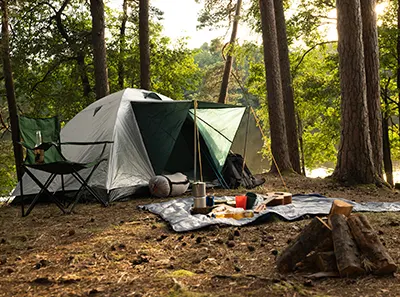
Modern tents utilize lightweight, waterproof fabrics that withstand high winds while maintaining breathability for occupants.
Portable power and lighting solutions
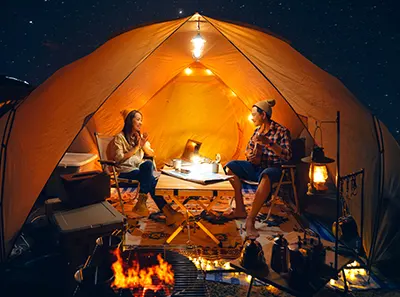
Solar panels and LED lanterns provide sustainable energy sources essential for navigating campsites after dark.
Navigation tools and safety devices
GPS units and analog compasses ensure accurate orientation when exploring trails far from marked paths.
Immersive activities for the nature enthusiast
Engaging with the environment transforms a passive stay into an active discovery. The wilderness offers endless opportunities for physical exertion and mental rejuvenation.
Hiking trail exploration
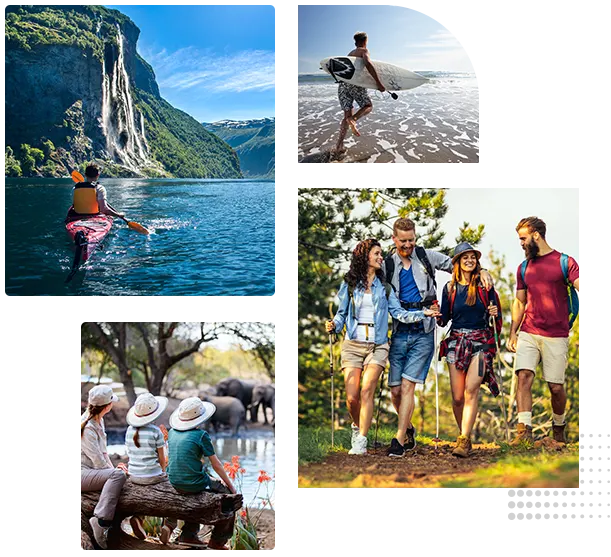
Trekking across varying terrains challenges physical endurance while revealing hidden ecosystems. Hikers encounter diverse flora and fauna, observing wildlife in their natural habitats while navigating steep inclines or traversing dense, ancient woodlands that offer silence and solitude.
Water sports adventures
Lakes and rivers provide the perfect setting for kayaking and canoeing excursions. Paddling through calm waters allows for a unique perspective of the shoreline, requiring coordination and balance while offering a refreshing escape during the warmer summer months.
Wildlife observation techniques
Patient observation in quiet zones unveils the behaviors of local species. Using binoculars and maintaining silence enables enthusiasts to witness birds nesting or deer grazing, fostering a deep connection with the natural rhythms of the surrounding forest life.
Culinary campfire techniques
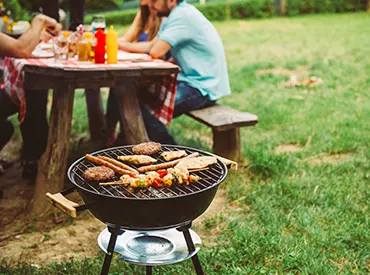
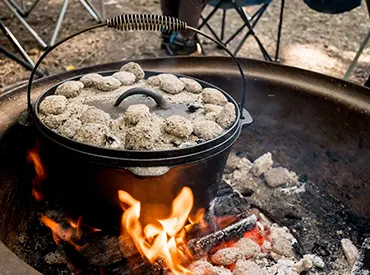
Cooking in the open air requires mastering heat control without a thermostat. Whether using open flames or portable gas stoves, the preparation of meals becomes a communal ritual. Ingredients must be durable, and methods often involve cast iron cookware that retains heat evenly in breezy conditions.
Portable grill mastery
Compact gas grills offer precise temperature control for searing meats.
Dutch oven baking
Cast iron pots bury in coals to bake bread slowly.
Food storage safety
Sealed containers protect supplies from wildlife and maintain freshness longer.
Maintaining safety standards and environmental ethics
Responsible camping hinges on the « Leave No Trace » principle, ensuring that natural spaces remain pristine for future generations. This philosophy encompasses waste management, fire safety, and respect for wildlife, requiring campers to minimize their impact on the ecosystem while maximizing their enjoyment of the outdoors.